
AI vs Machine Learning vs Deep Learning: What’s the Difference?
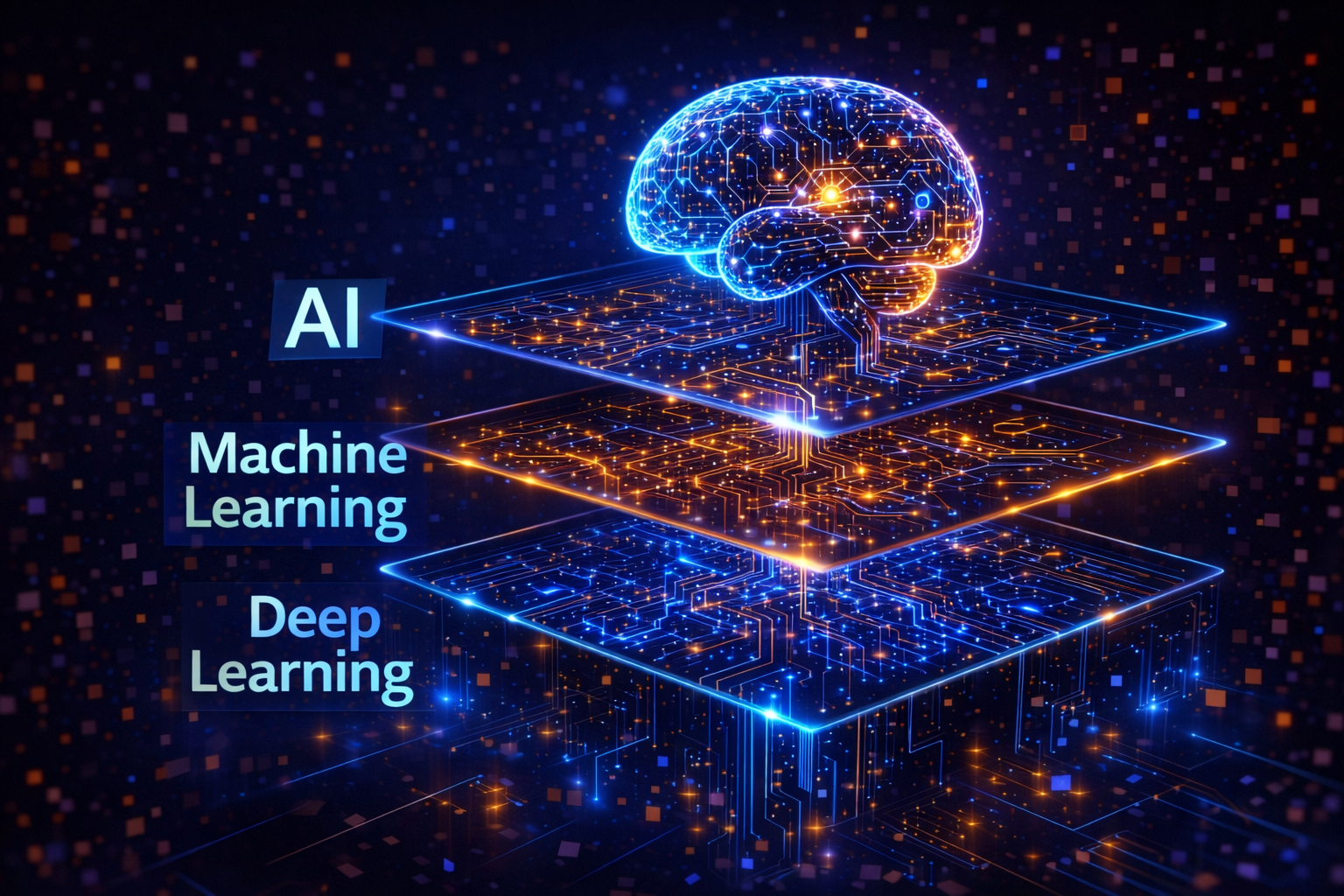
Artificial intelligence, machine learning, and deep learning are terms you hear all the time—but they’re often used interchangeably.
The truth is, they’re not the same thing.
Understanding the difference between these three concepts will help you better understand how modern AI works—and why it’s so powerful.
What Is Artificial Intelligence (AI)?
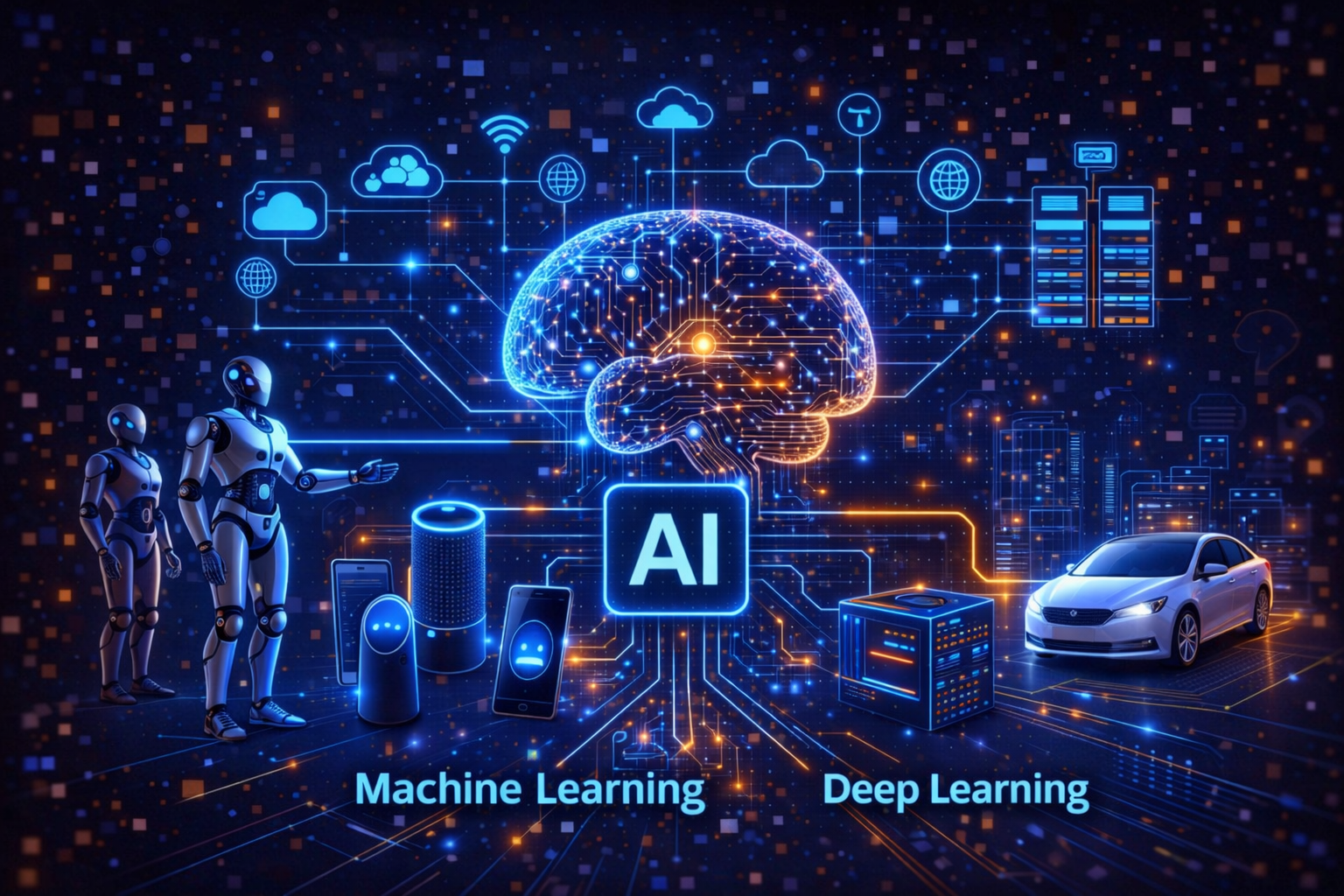
Artificial intelligence is the broadest concept of the three.
AI refers to any system or machine that can perform tasks that normally require human intelligence.
This includes:
Understanding language
Recognizing images
Solving problems
Making decisions
Examples of AI include:
Chatbots like ChatGPT
Voice assistants like Alexa
Recommendation systems like Netflix
Think of AI as the big umbrella that includes many different technologies.
What Is Machine Learning (ML)?
Machine learning is a subset of AI.
It’s a method that allows machines to learn from data instead of being explicitly programmed.
Instead of writing rules like:
“If email contains X, mark as spam”
Machine learning systems analyze data and learn patterns automatically.
For example:
Spam filters learn from thousands of emails
Recommendation systems learn your preferences
Fraud detection systems learn spending patterns
Machine learning is what makes AI systems adapt and improve over time.
What Is Deep Learning (DL)?
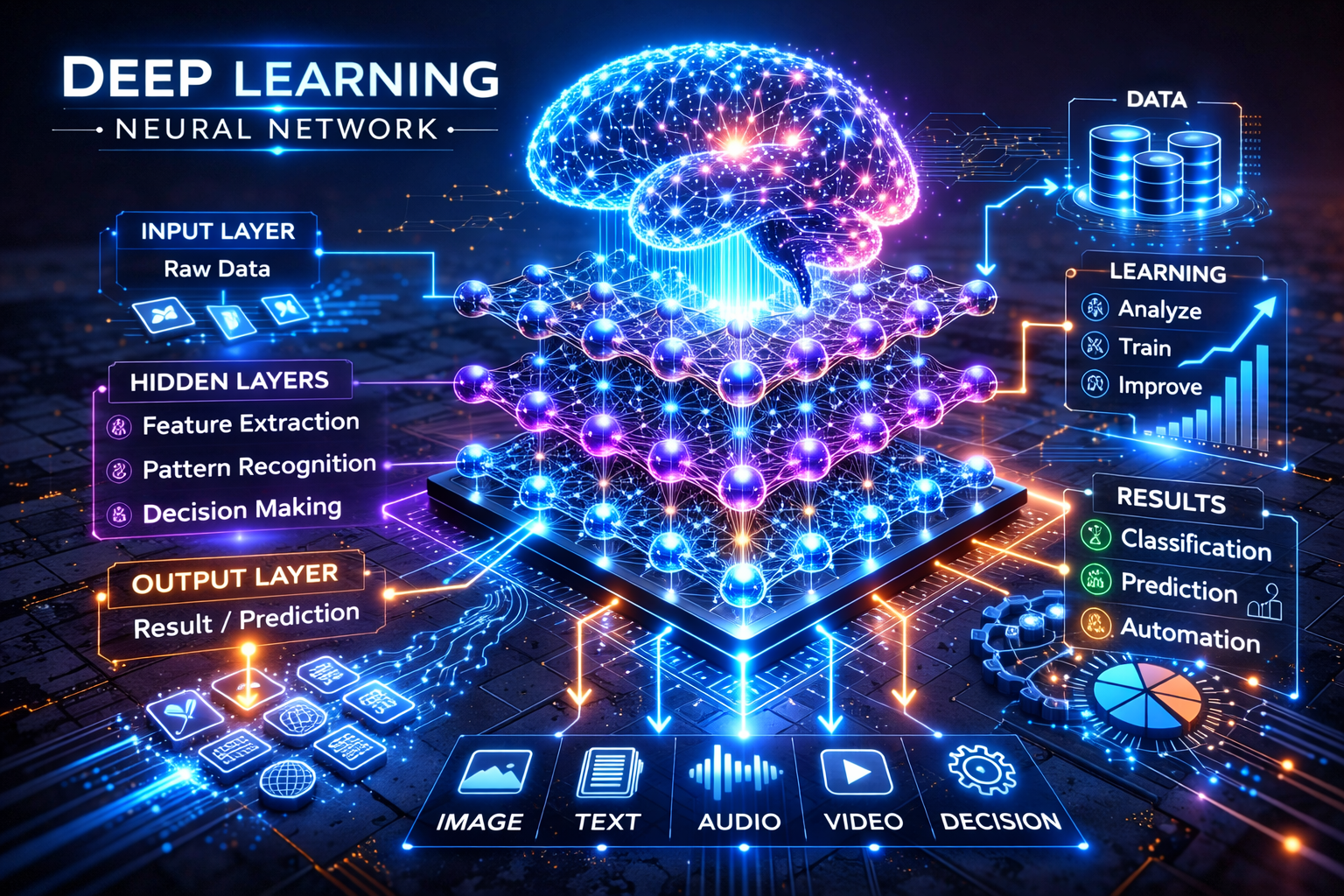
Deep learning is a subset of machine learning.
It uses neural networks with many layers (hence “deep”) to analyze complex data.
These neural networks are inspired by the human brain and are especially good at handling:
Images
Speech
Natural language
Deep learning powers many of today’s most advanced AI systems, including:
Image recognition
Voice assistants
Self-driving cars
Chatbots
A Simple Way to Understand the Difference
Here’s an easy analogy:
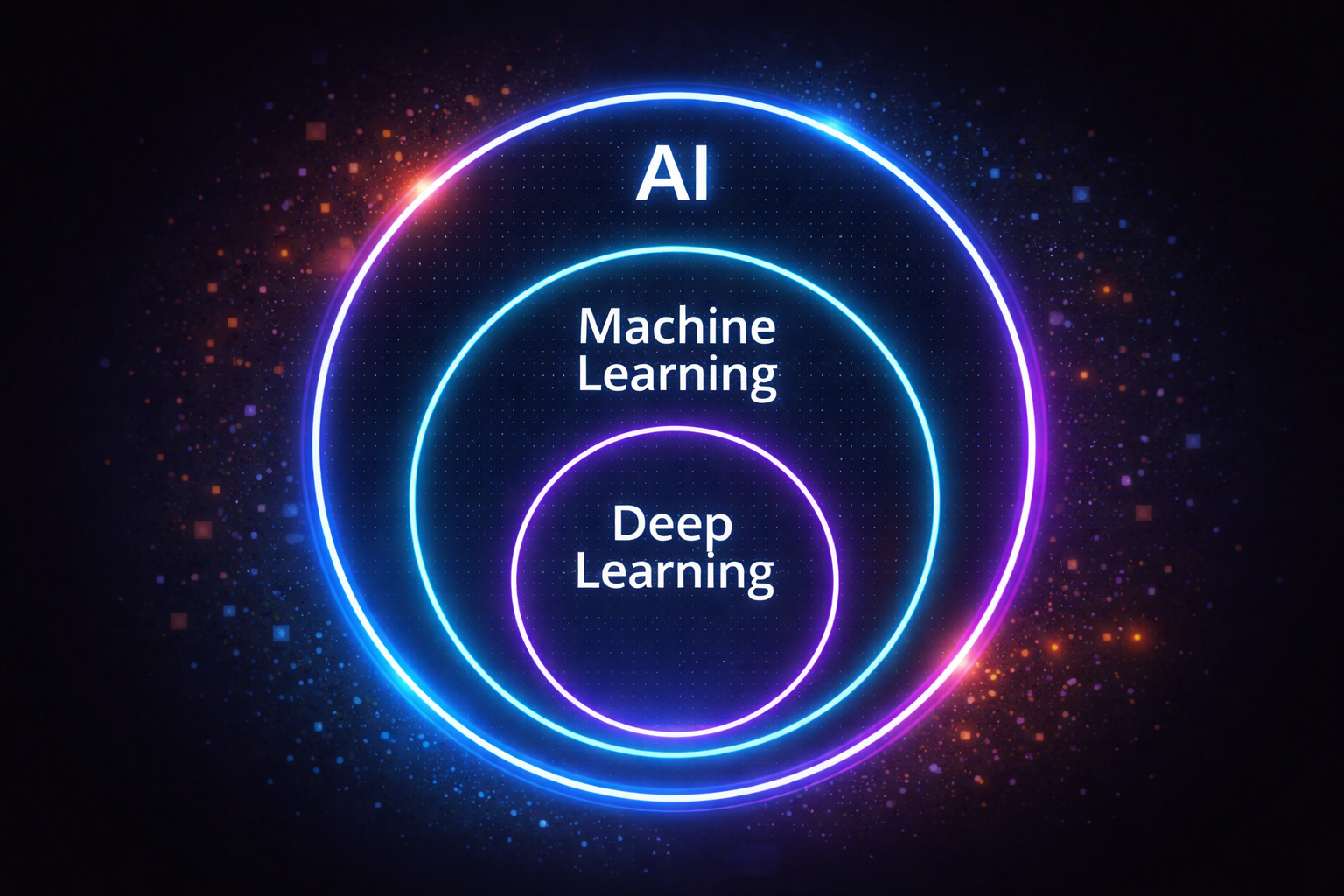
AI = The Goal
The idea of making machines intelligent
Machine Learning = The Method
How machines learn from data
Deep Learning = The Advanced Technique
A powerful way of learning using layered neural networks
Or even simpler:
AI is the big circle
Machine learning is inside AI
Deep learning is inside machine learning
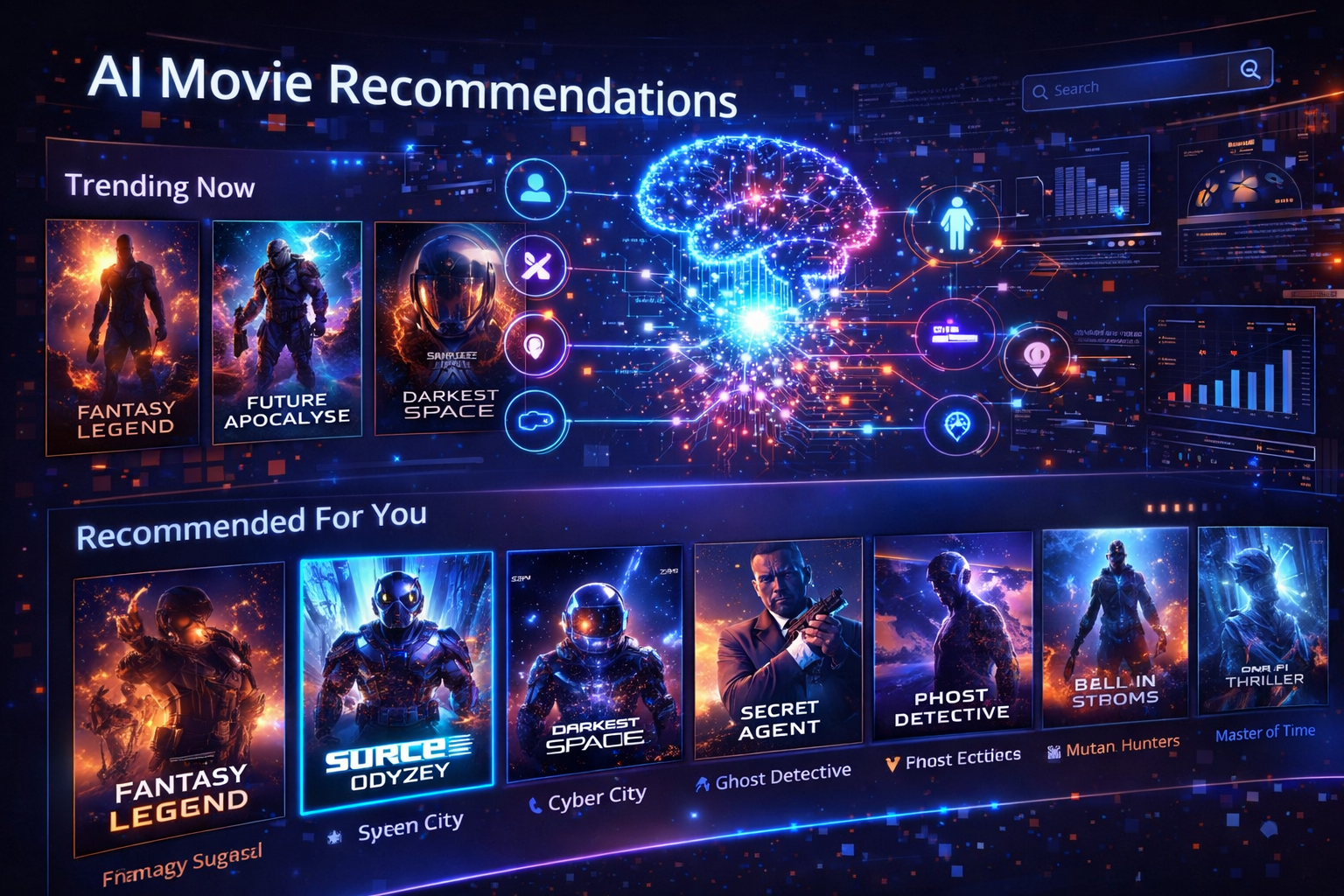
Real-World Example
Let’s say you’re using Netflix.
AI is the overall system recommending shows
Machine learning analyzes your watch history
Deep learning helps recognize patterns in content (like genres, actors, and themes)
Together, they create the personalized experience you see.
Why This Difference Matters
Understanding these terms helps you:
Make sense of AI news and trends
Choose the right tools for projects
Avoid confusion when learning about technology
It also shows how layered and powerful modern AI systems really are.
Where Things Get Confusing
People often use these terms interchangeably because:
Machine learning is the most common form of AI today
Deep learning powers many high-profile breakthroughs
Marketing and media simplify the terminology
But remembering the hierarchy makes everything clearer:
AI → Machine Learning → Deep Learning
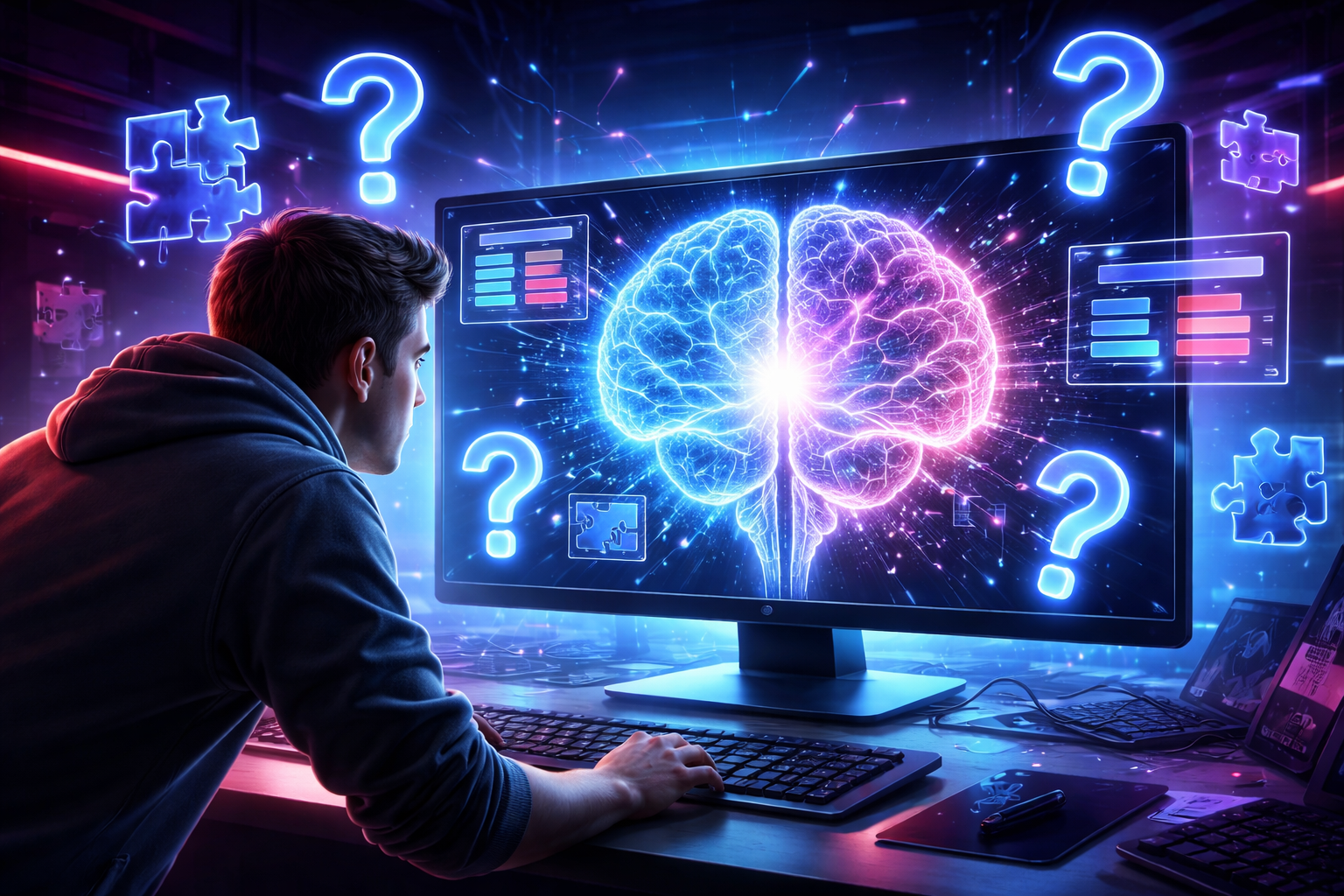
Try to Stump an AI
Now that you understand the difference, try this challenge.
Open a free AI tool like ChatGPT, Gemini, or Claude and ask:
Explain the difference between AI, machine learning, and deep learning using a cooking recipe analogy.
For example, a good answer might compare:
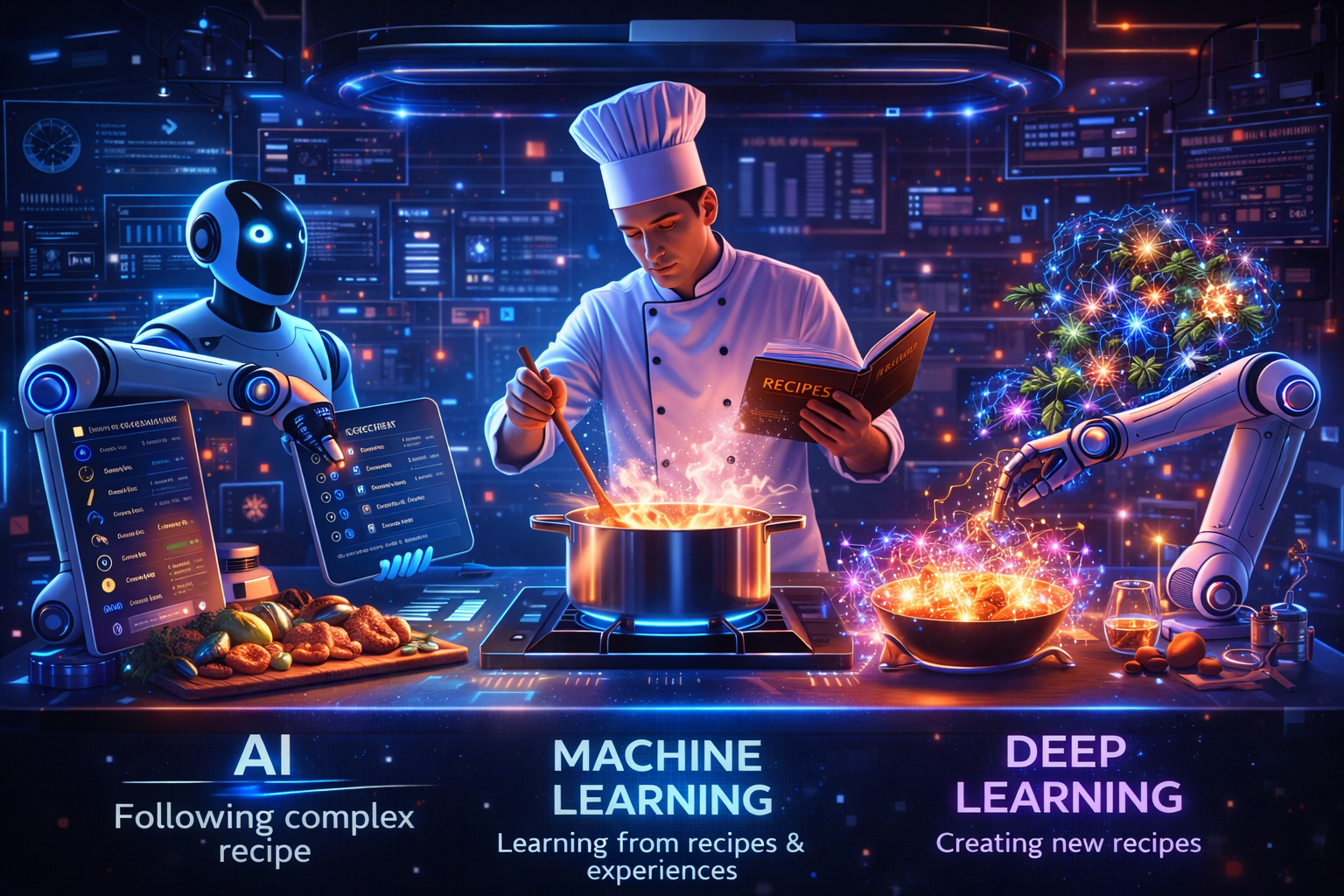
AI to the goal of cooking
Machine learning to following recipes
Deep learning to a master chef experimenting
Sometimes the AI gives a great analogy.
Sometimes it gets confusing.
See if you can push it further by asking for:
A one-sentence explanation
An explanation for a child
An explanation using only emojis
Final Thoughts
Artificial intelligence, machine learning, and deep learning are closely connected—but they’re not the same.
AI is the big idea
Machine learning is how systems learn
Deep learning is the advanced technique driving modern breakthroughs
Understanding this hierarchy gives you a clearer picture of how AI actually works.
And now that you know the difference… go see if you can stump the AI.