
AI Hallucinations Explained: Why AI Sometimes Makes Things Up
Artificial intelligence can answer questions, write essays, and even generate realistic conversations. But sometimes, it does something strange:
It makes things up.
These incorrect or fabricated responses are called AI hallucinations—and they’re one of the most important limitations of modern AI.
Let’s break down what AI hallucinations are, why they happen, and how you can spot them..
Artificial intelligence can answer questions, write essays, and even generate realistic conversations. But sometimes, it does something strange:
It makes things up.
These incorrect or fabricated responses are called AI hallucinations—and they’re one of the most important limitations of modern AI.
Let’s break down what AI hallucinations are, why they happen, and how you can spot them.
What Are AI Hallucinations?
An AI hallucination occurs when an AI system generates information that sounds correct but is actually false or misleading.
For example, an AI might:
Invent a book that doesn’t exist
Create fake statistics
Misquote a source
Provide incorrect historical facts
The tricky part is that these answers often sound confident and convincing.
Why Does AI Hallucinate?
Whatever it is, the way you tell your story online can make all the difference.
1. Pattern Prediction, Not Truth
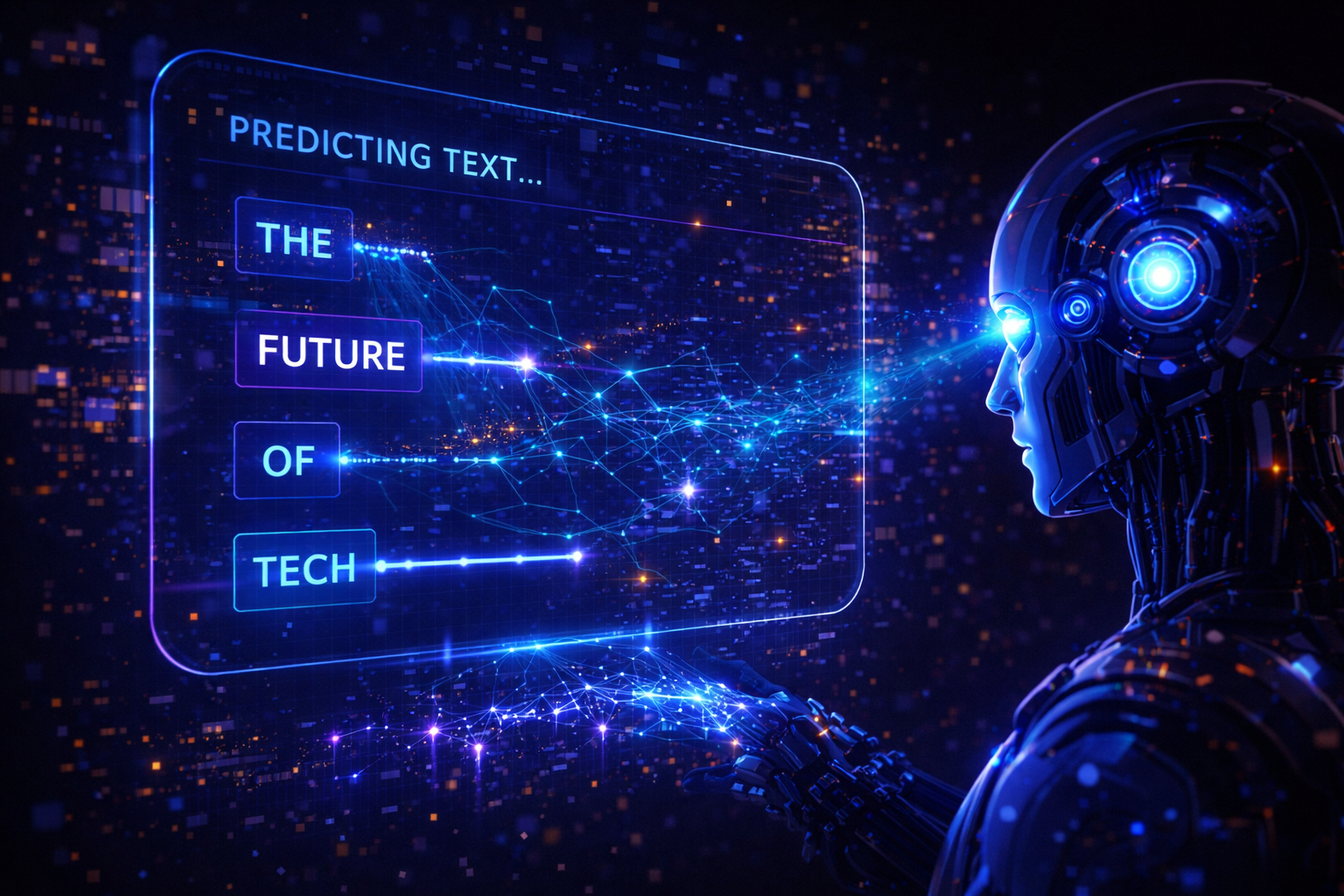
AI models are trained to predict what comes next in a sentence.
If the model has seen similar patterns before, it may generate a response that fits the pattern—even if it’s not true.
2. Missing or Limited Data
If the AI doesn’t have enough information about a topic, it may fill in the gaps.
Instead of saying “I don’t know,” it might generate a best guess.
3. Ambiguous Questions
Vague or unclear questions can confuse AI.
For example:
Tell me about the famous scientist John Daniels.
If that person doesn’t exist, the AI might still create a detailed (but fake) answer.
4. Overconfidence in Language
AI is designed to sound fluent and natural.
Unfortunately, this fluency can make incorrect answers seem more believable.
Real-World Examples of AI Hallucinations
Here are a few common scenarios:
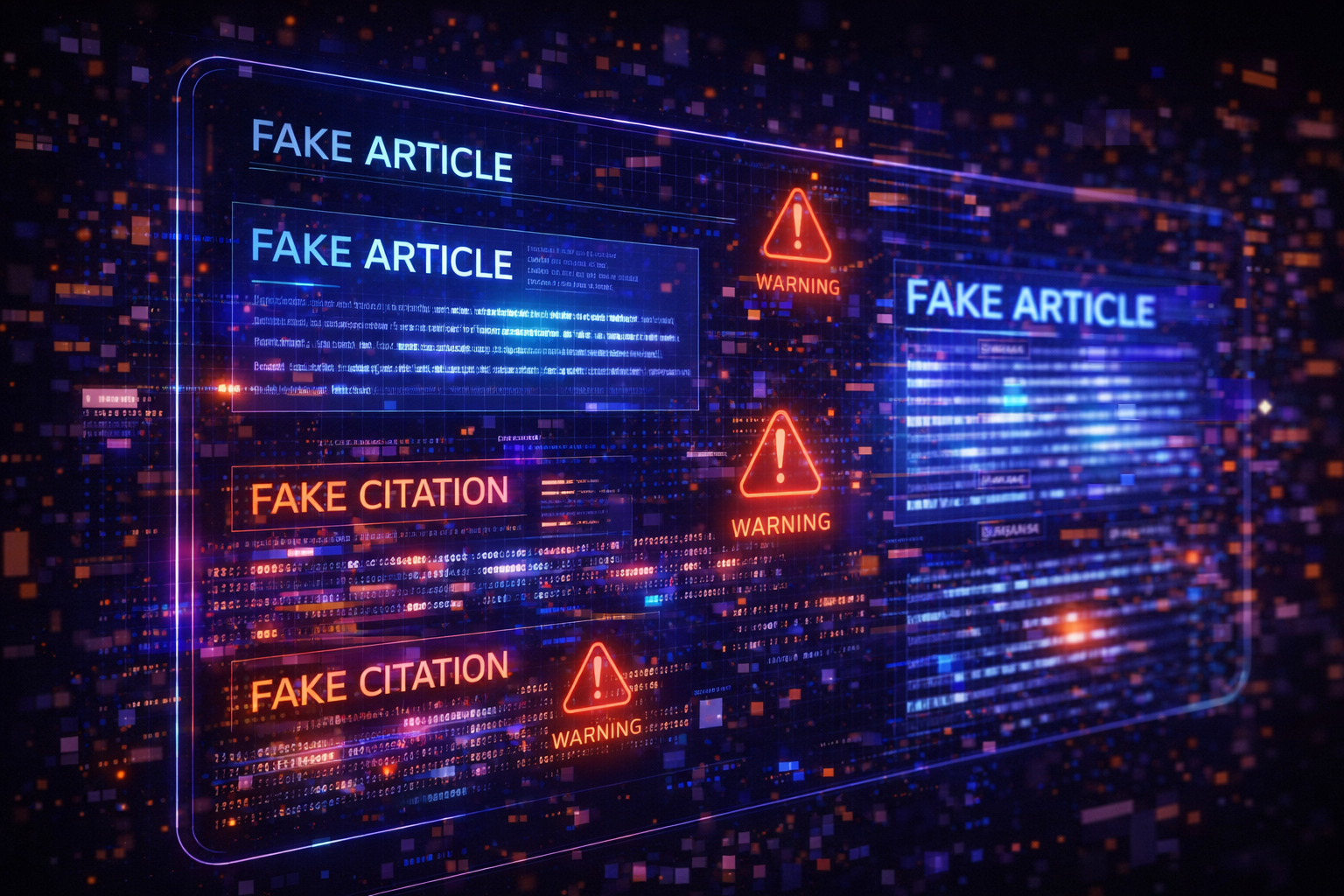
Fake Citations
AI may generate references to articles, books, or studies that don’t exist.
Incorrect Facts
It might confidently give the wrong date, name, or statistic.
Made-Up Details
When asked about obscure topics, AI may invent background information.
Why AI Hallucinations Matter
Hallucinations aren’t just harmless mistakes—they can have real consequences.
They can:
Spread misinformation
Mislead students or researchers
Cause errors in professional settings
Reduce trust in AI systems
That’s why it’s important to always verify important information.
How to Spot an AI Hallucination
Here are a few simple ways to detect when AI might be wrong:
1. Check the Source
If the AI gives a citation, look it up. If it doesn’t exist, that’s a red flag.
2. Watch for Overconfidence
If the answer sounds too certain about something obscure, double-check it.
3. Cross-Verify Information
Search for the same information using trusted sources.
4. Ask Follow-Up Questions
Sometimes asking the AI to explain further reveals inconsistencies.
How to Reduce AI Hallucinations
You can improve AI accuracy by:
Asking clear and specific questions
Requesting sources or references
Breaking complex questions into smaller parts
Using multiple sources to confirm answers
Try to Stump an AI
Now it’s your turn to test an AI.
Open a free AI tool like ChatGPT, Gemini, or Claude and try this:
Give me a summary of the book “The Silent Echoes of Tomorrow” by James Carter.
There’s a good chance this book doesn’t exist—but some AI models may still generate a detailed summary.
You can also try:
Asking for fake statistics
Requesting obscure historical events
Inventing people or places
See if the AI sticks to facts—or starts hallucinating.
Final Thoughts
AI hallucinations happen because AI systems are designed to predict language, not verify truth.
That’s what makes them powerful—but also imperfect.
Understanding this limitation helps you use AI more effectively and responsibly.
So the next time you get an answer from AI, don’t just accept it—question it.
And if you’re feeling curious… try to stump the AI.