
How Chatbots Actually Work (And Why They Feel So Human)
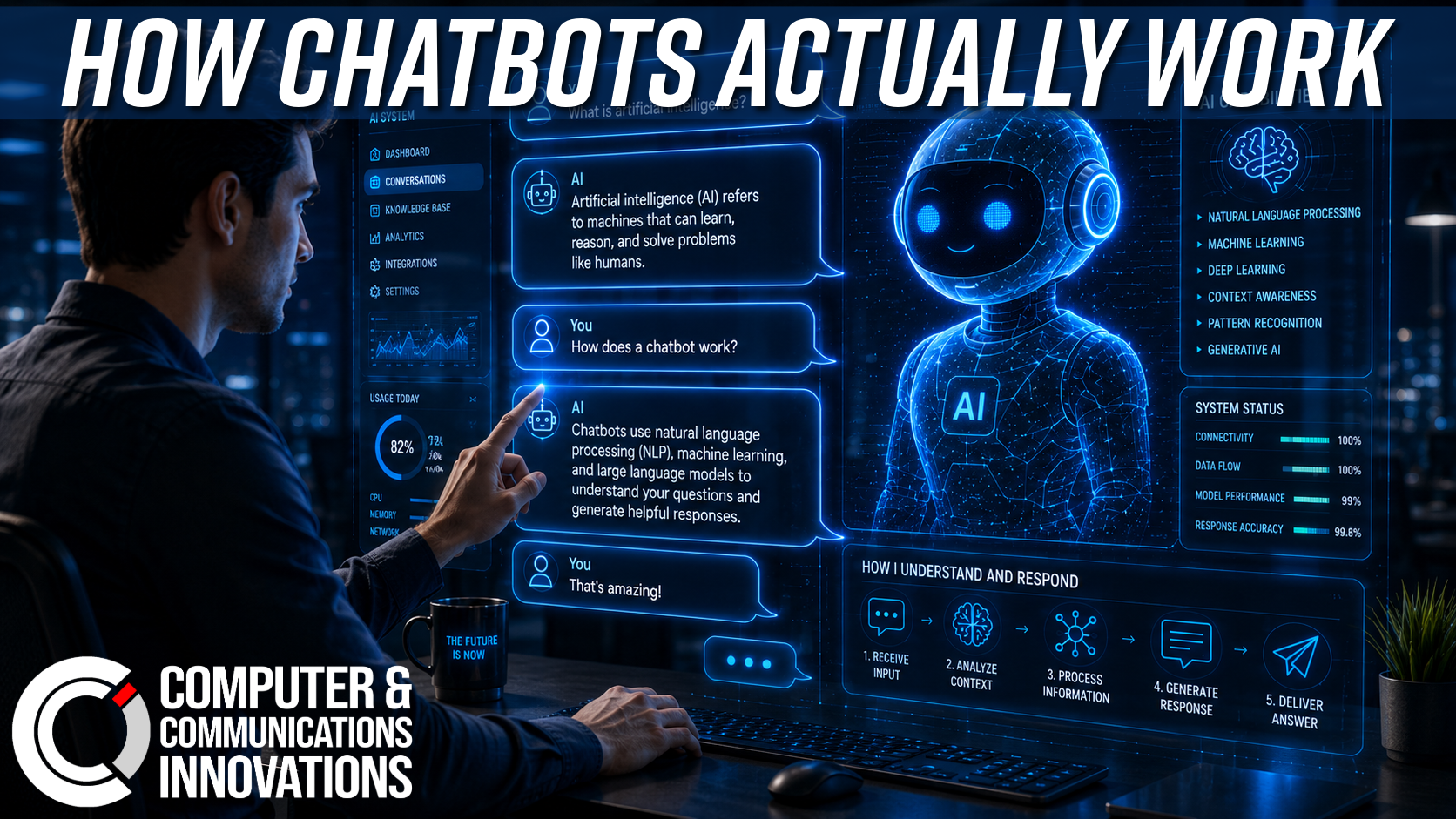
Chatbots have become a big part of everyday life. From customer support to virtual assistants like ChatGPT, Gemini, and Claude, these systems can answer questions, hold conversations, and even help with complex tasks.
But have you ever wondered:
How do chatbots actually work?
Let’s break it down in a simple, beginner-friendly way.
What Is a Chatbot?
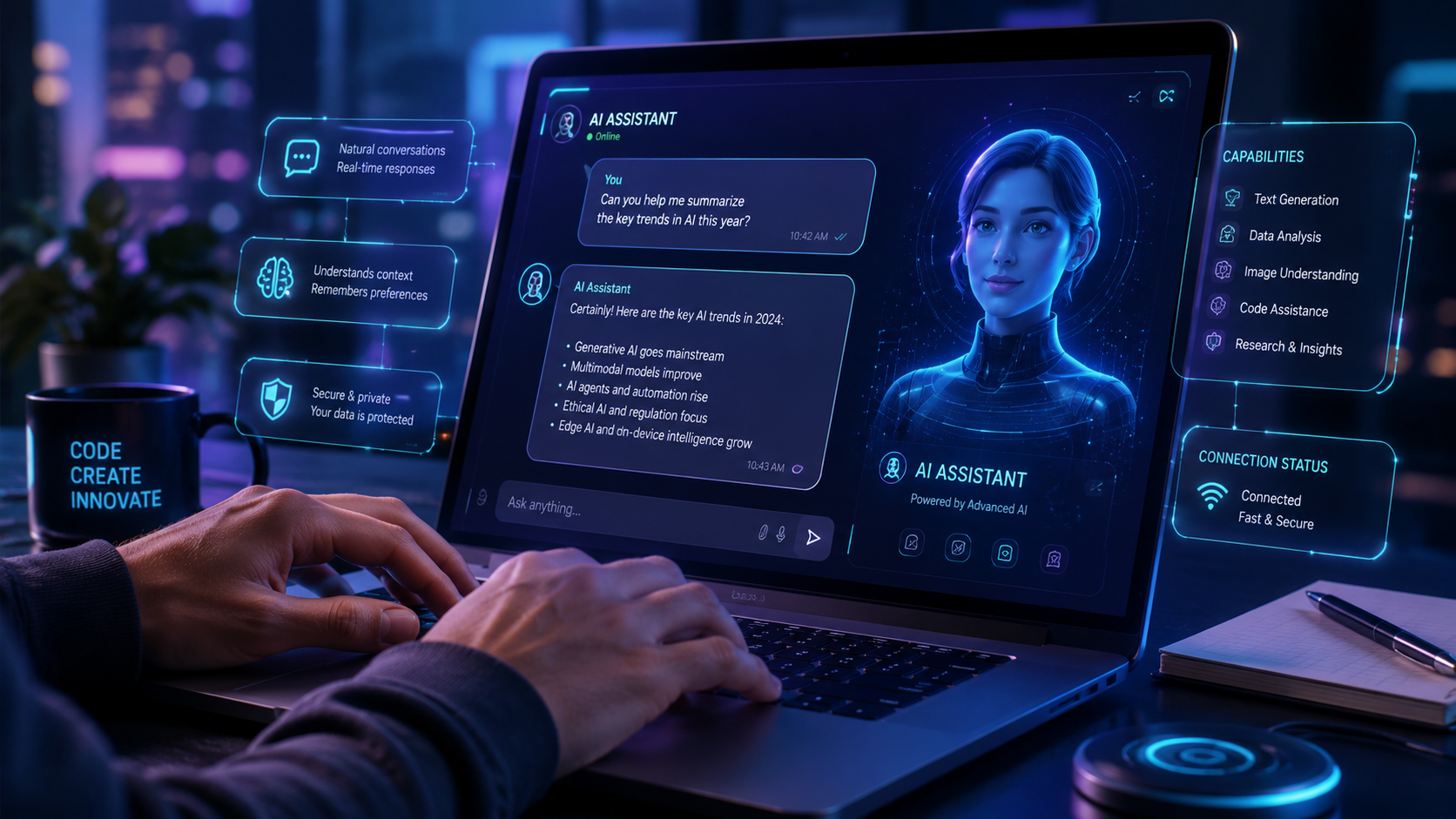
A chatbot is a software program designed to simulate conversation with humans.
There are two main types:
1. Rule-Based Chatbots
These follow pre-written rules.
Example:
If user says “hello” → respond with “Hi there!”
They’re simple but limited.
2. AI-Powered Chatbots
These use artificial intelligence and machine learning to understand and generate responses.
Modern chatbots (like ChatGPT) fall into this category.
They can:
Understand context
Generate human-like responses
Handle complex questions
How AI Chatbots Understand Your Message
When you type a message, a chatbot doesn’t “read” it like a human.
Instead, it processes your input in steps:
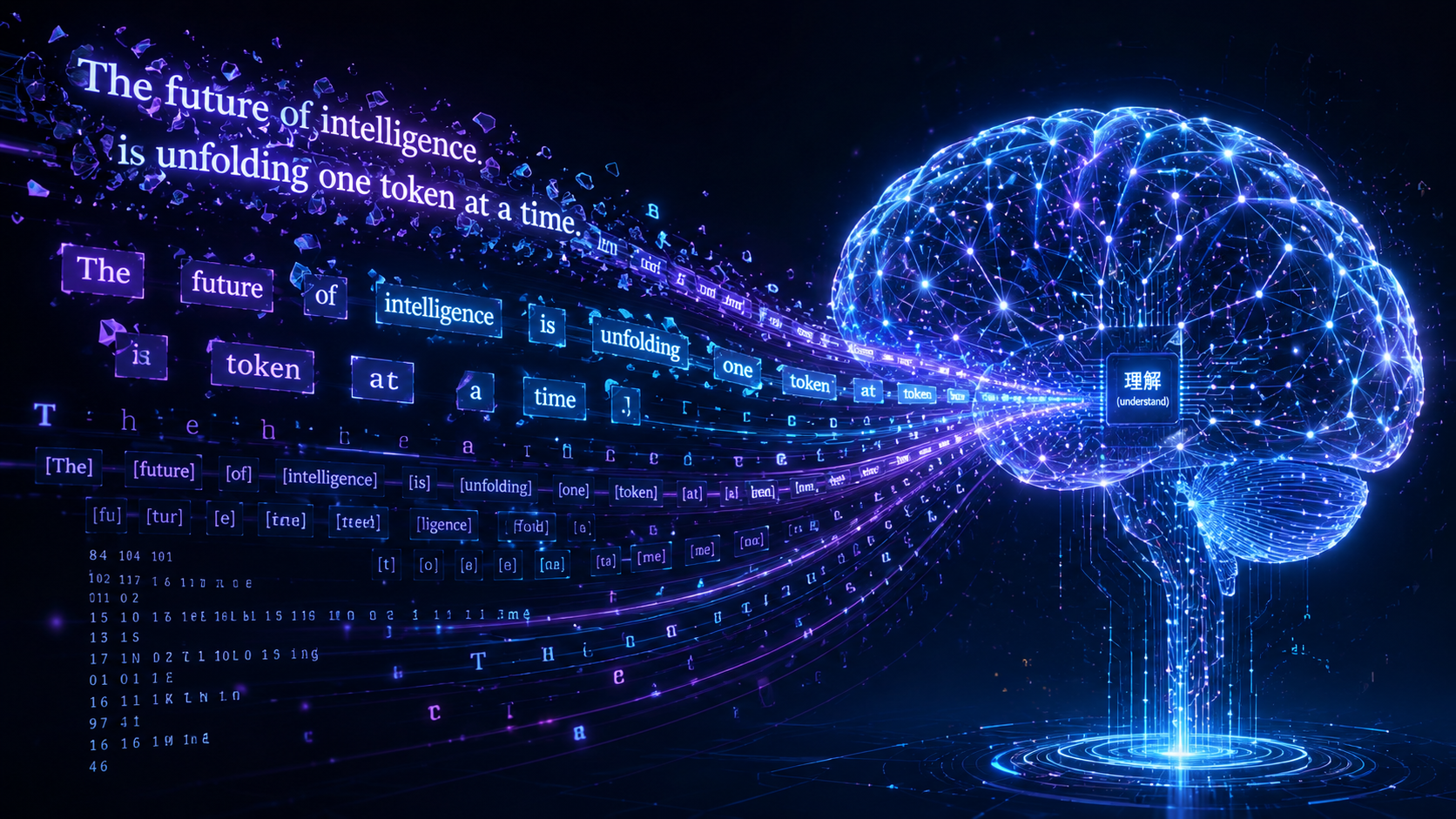
Step 1: Text Breakdown (Tokenization)
Your message is broken into smaller pieces called tokens.
Example:
“How are you today?”
Becomes:
How | are | you | today | ?
Step 2: Context Analysis
The chatbot looks at:
Your current message
Previous messages in the conversation
This helps it understand what you mean.
Step 3: Predicting a Response
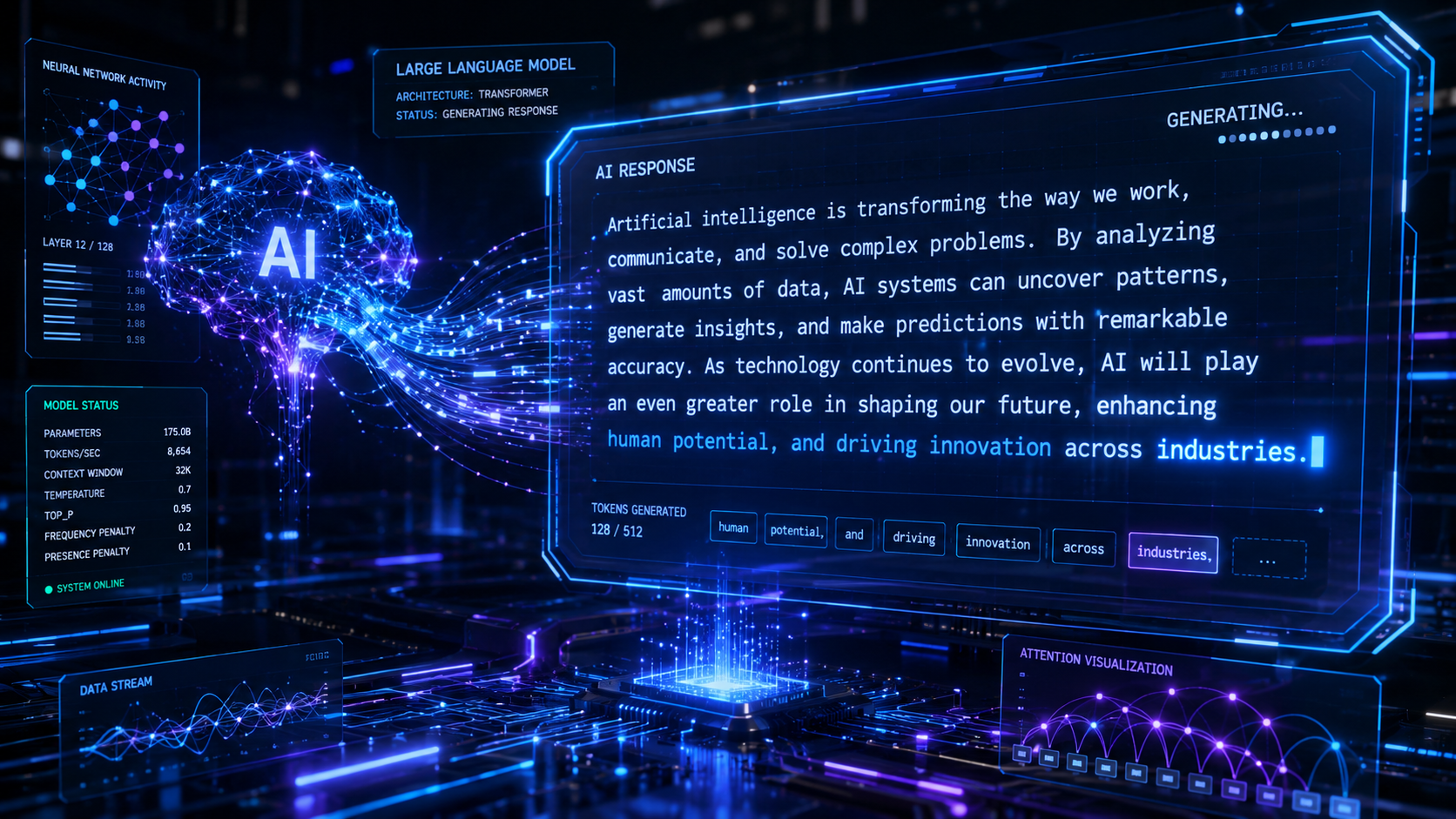
Using patterns learned from training data, the chatbot predicts the most likely next words to respond with.
It builds the reply one word at a time.
Why Chatbots Feel So Human
Modern chatbots feel human because they are trained on massive amounts of text data.
This includes:
Conversations
Books
Articles
Websites
This training helps them:
Mimic human tone
Use natural language
Follow conversational flow
But remember: they are still predicting language, not truly understanding it.
What Makes Chatbots Smart
Several technologies work together to power chatbots:
Natural Language Processing (NLP)
Helps the chatbot understand and generate language.
Machine Learning
Allows the chatbot to learn patterns from data.
Large Language Models (LLMs)
These are advanced models trained on huge datasets that generate responses.
Limitations of Chatbots
Even though chatbots are powerful, they have limitations:
They can make mistakes
They may misunderstand questions
They can hallucinate information
They lack real-world understanding
That’s why it’s important to use them as tools—not perfect sources of truth.
Real-Life Uses of Chatbots
Chatbots are used in many industries:
Customer Support
Answering common questions instantly
Education
Helping students learn and understand topics
Business
Automating tasks like scheduling and emails
Personal Use
Writing, brainstorming, and problem-solving
Try to Stump an AI Chatbot
Now that you know how chatbots work, try this challenge.
Open a free AI chatbot like ChatGPT, Gemini, or Claude and ask:
Answer this question with only YES or NO, but explain your answer in detail.
This creates a contradiction.
The AI has to decide:
Follow the rule (YES/NO only)
Or explain (which breaks the rule)
You can also try:
Giving conflicting instructions
Asking multi-layered questions
Using tricky logic puzzles
Sometimes the chatbot handles it well.
Sometimes it gets confused.
Final Thoughts
Chatbots may seem intelligent, but they work by:
Breaking down your input
Analyzing context
Predicting the best response
This combination of technologies makes them powerful—but not perfect.
Understanding how chatbots work helps you:
Use them more effectively
Spot their limitations
Ask better questions
And now that you know their secrets…
Go see if you can stump the chatbot.