
What Is Machine Learning? A Beginner’s Guide to How AI Learns
Artificial intelligence is everywhere today—from movie recommendations to voice assistants and self-driving cars. But behind many of these technologies is something called machine learning.
Machine learning is one of the most important technologies powering modern AI. It allows computers to learn patterns from data instead of being programmed step-by-step.
In this guide, we’ll break down what machine learning is, how it works, and why it’s such a powerful technology.
What Is Machine Learning?
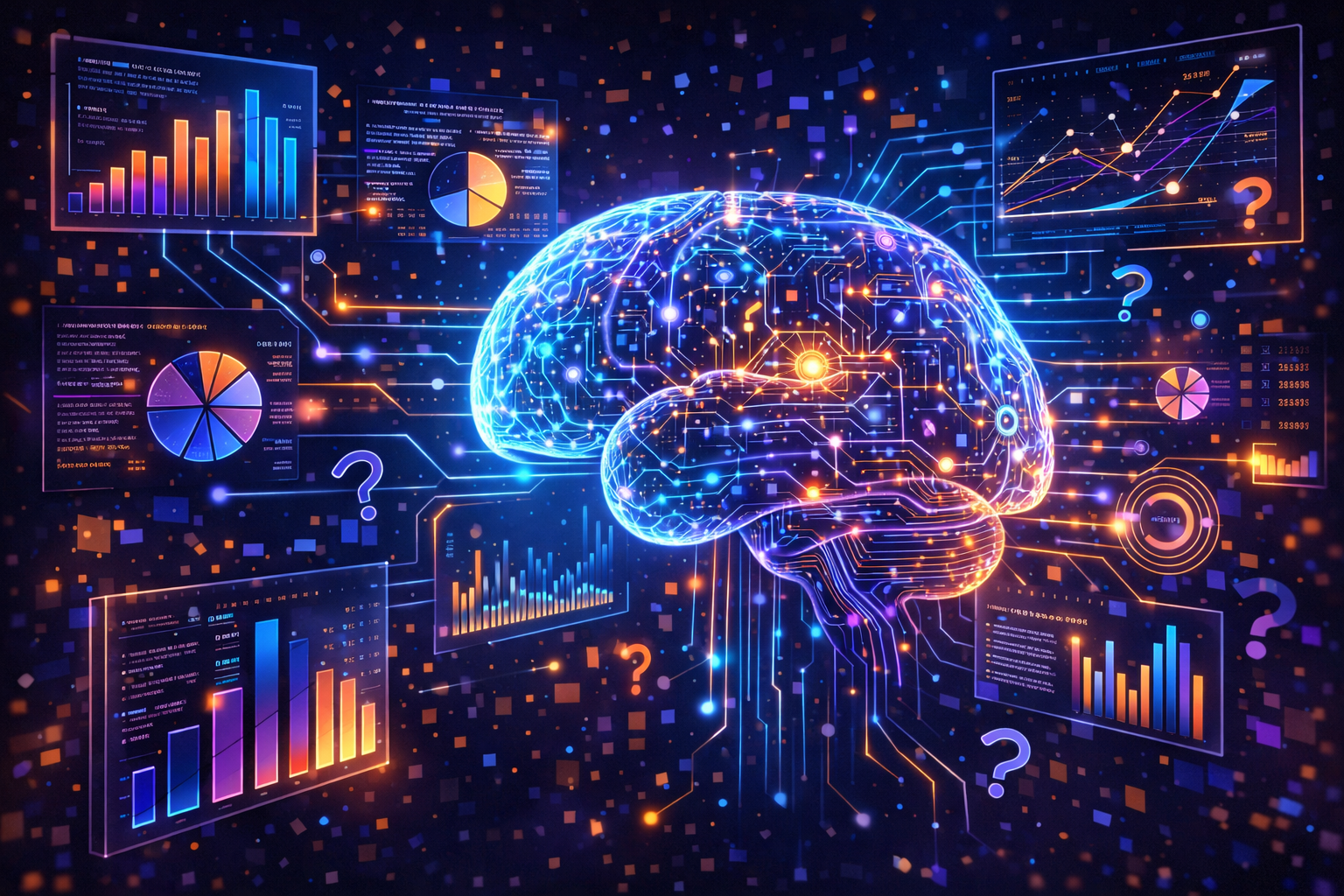
Machine learning is a branch of artificial intelligence that enables computers to learn from data and improve their performance over time without being explicitly programmed.
Traditional computer programs follow strict rules written by developers. For example, if you wanted to detect spam emails in the past, you might create rules like:
If the email contains “FREE MONEY,” mark as spam
If it contains suspicious links, mark as spam
But this method breaks easily because spam constantly changes.
Machine learning solves this problem by allowing computers to analyze large amounts of data and identify patterns automatically.
Instead of writing rules manually, the computer learns them from examples.
How Machine Learning Works
Machine learning works through three main steps:
1. Data Collection
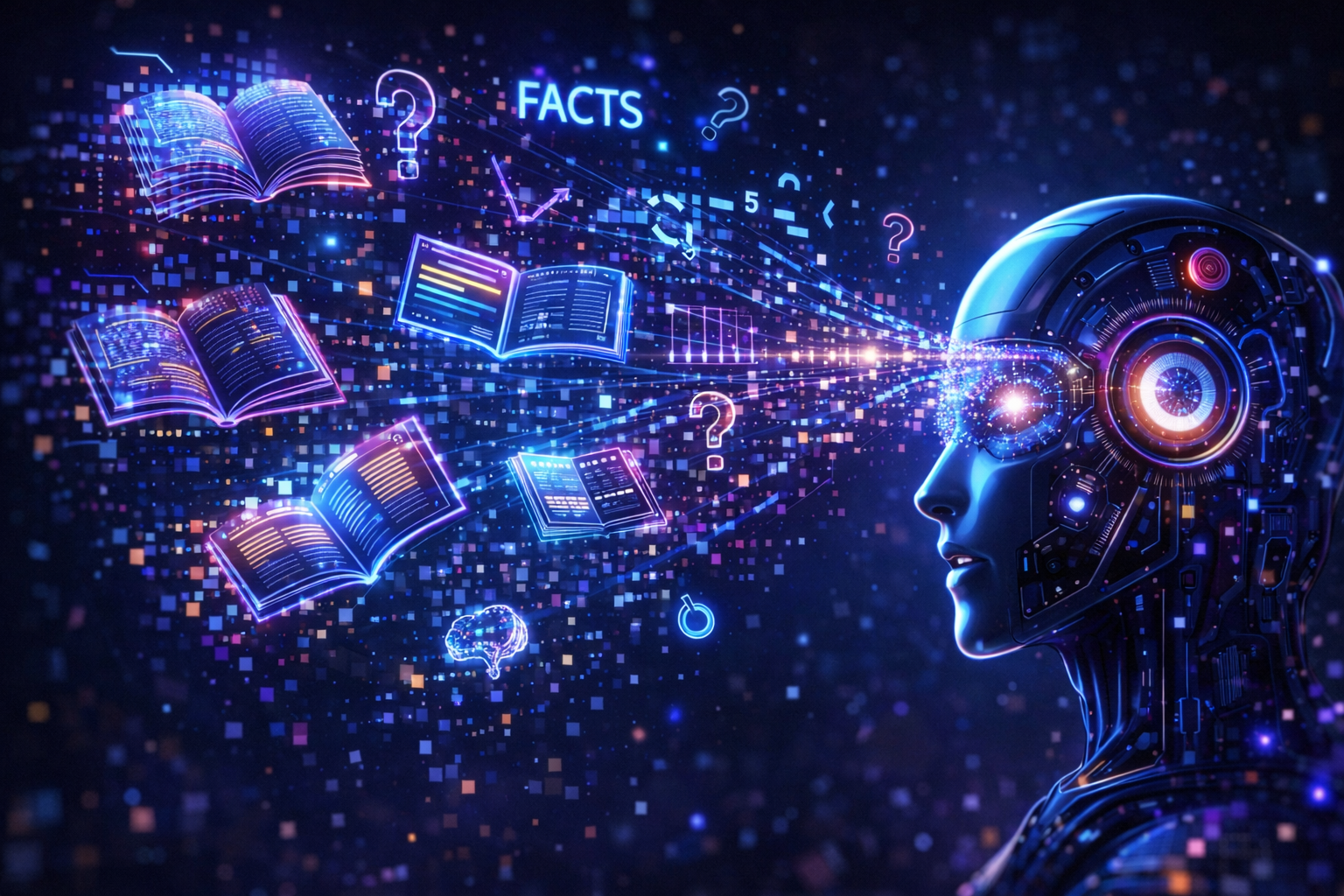
The system is trained using large datasets. These datasets contain examples that help the computer learn patterns.
For example:
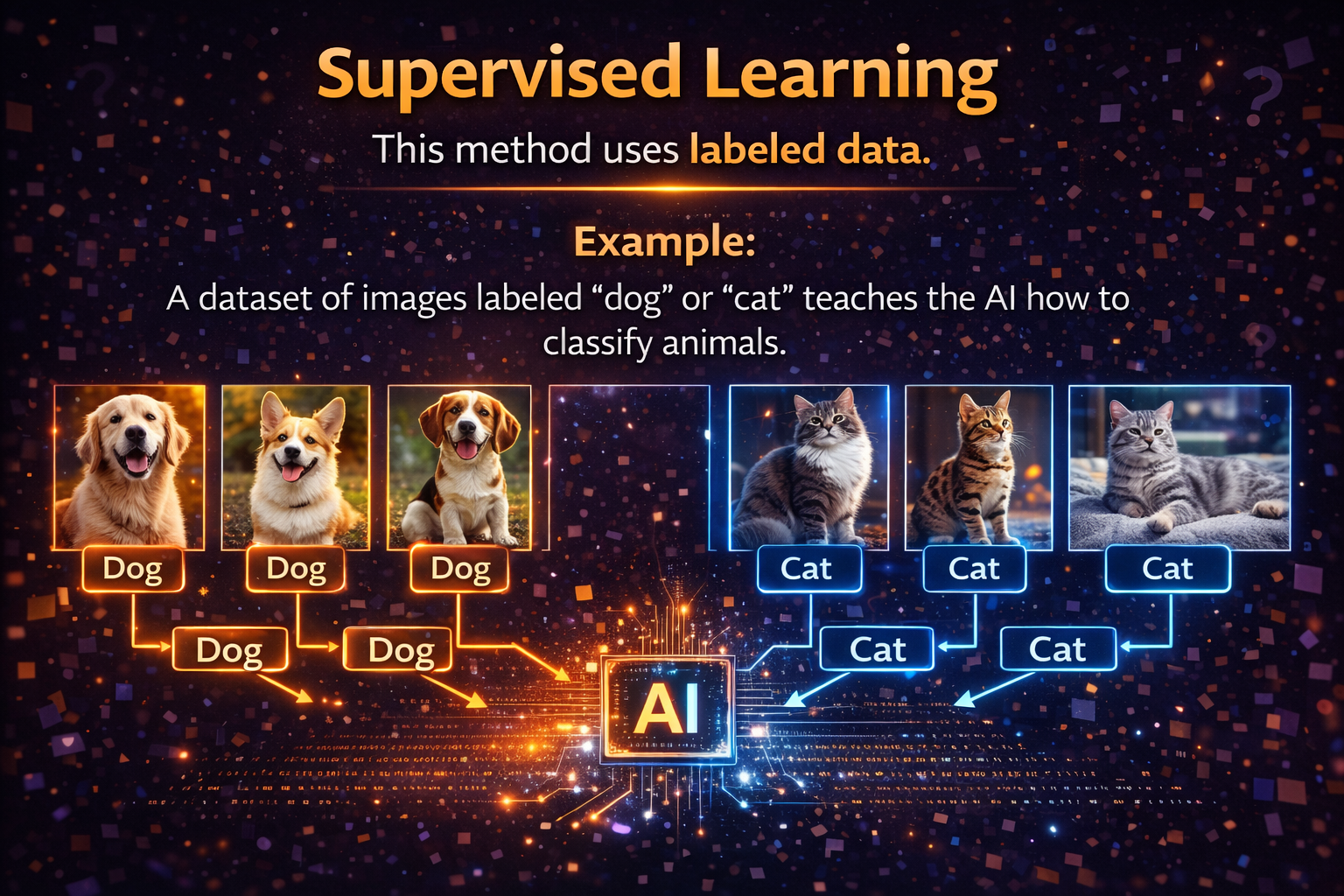
Emails labeled as spam or not spam
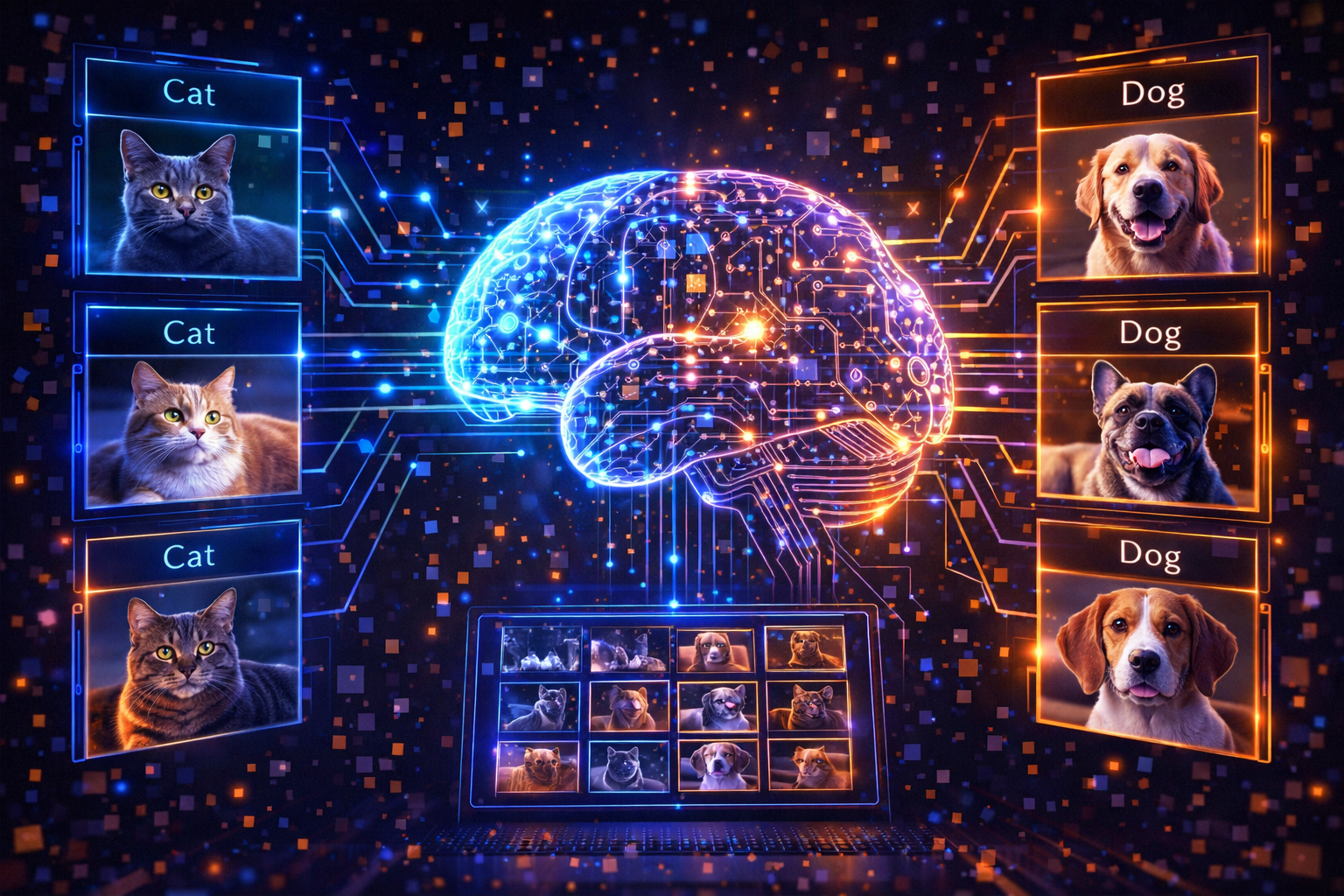
Photos labeled as cats or dogs
Transactions labeled as fraudulent or legitimate
The more high-quality data the model has, the better it can learn.
2. Training the Model
During training, the machine learning model analyzes the data and looks for patterns.
For example, a spam detection model might notice:
Certain phrases appear frequently in spam emails
Suspicious links appear more often in spam messages
Spam emails often come from unknown senders
The system gradually adjusts its internal parameters until it can predict outcomes accurately.

3. Making Predictions
Once trained, the model can analyze new data it has never seen before.
For example:
Detecting spam emails
Recommending movies
Recognizing objects in photos
Predicting stock trends
The AI uses the patterns it learned during training to make predictions.
Real-Life Examples of Machine Learning
Machine learning powers many tools you use every day.
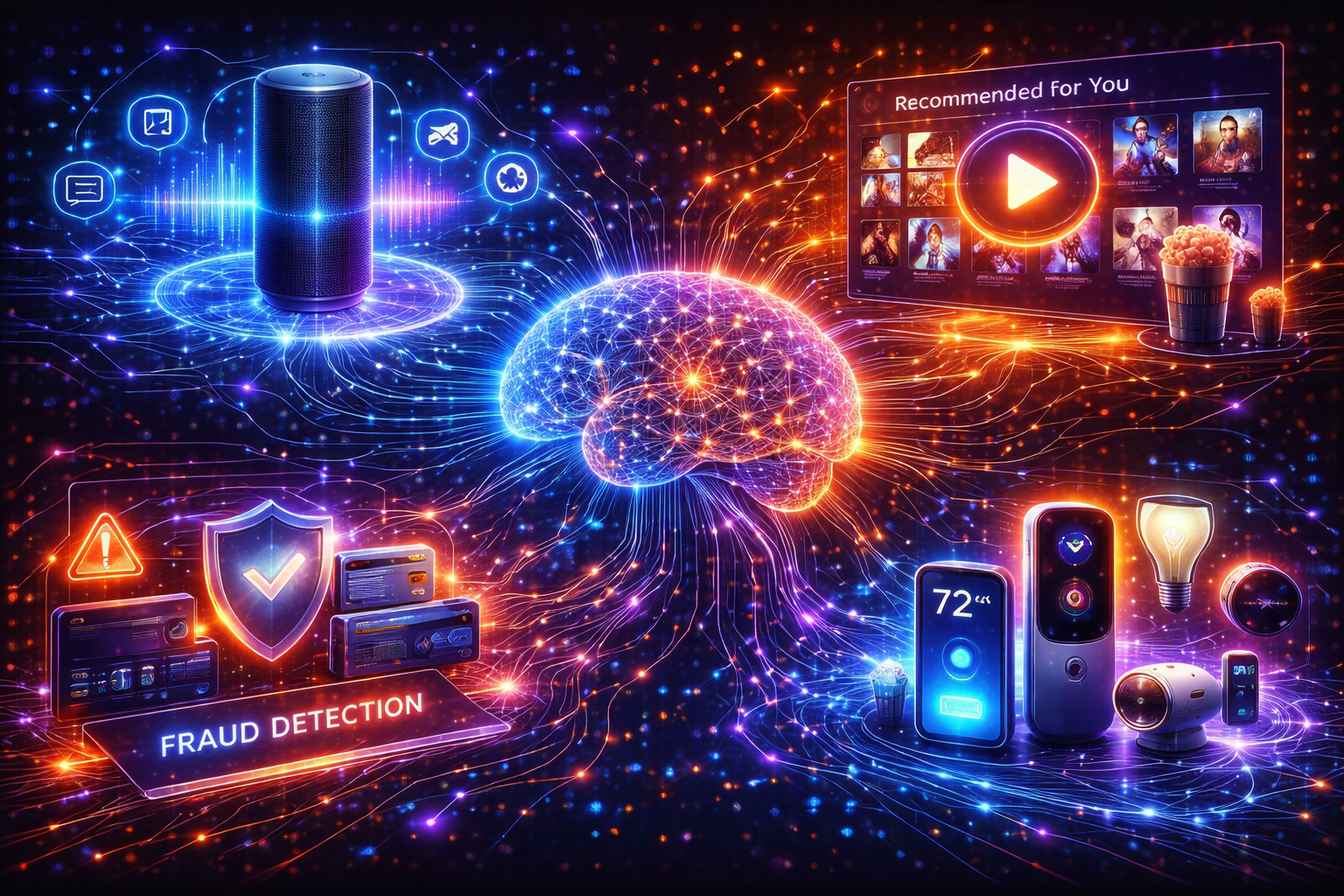
Netflix and YouTube Recommendations
These platforms use machine learning to analyze what you watch and recommend similar content.
The system learns patterns like:
What genres you like
How long you watch videos
What other users with similar interests enjoy
Voice Assistants
Systems like Alexa, Siri, and Google Assistant use machine learning to:
Understand speech
Interpret commands
Improve responses over time
Fraud Detection
Banks use machine learning to detect suspicious transactions by analyzing patterns in spending behavior.
If something unusual happens—like a large purchase in a different country—the system may flag it for review.
Types of Machine Learning
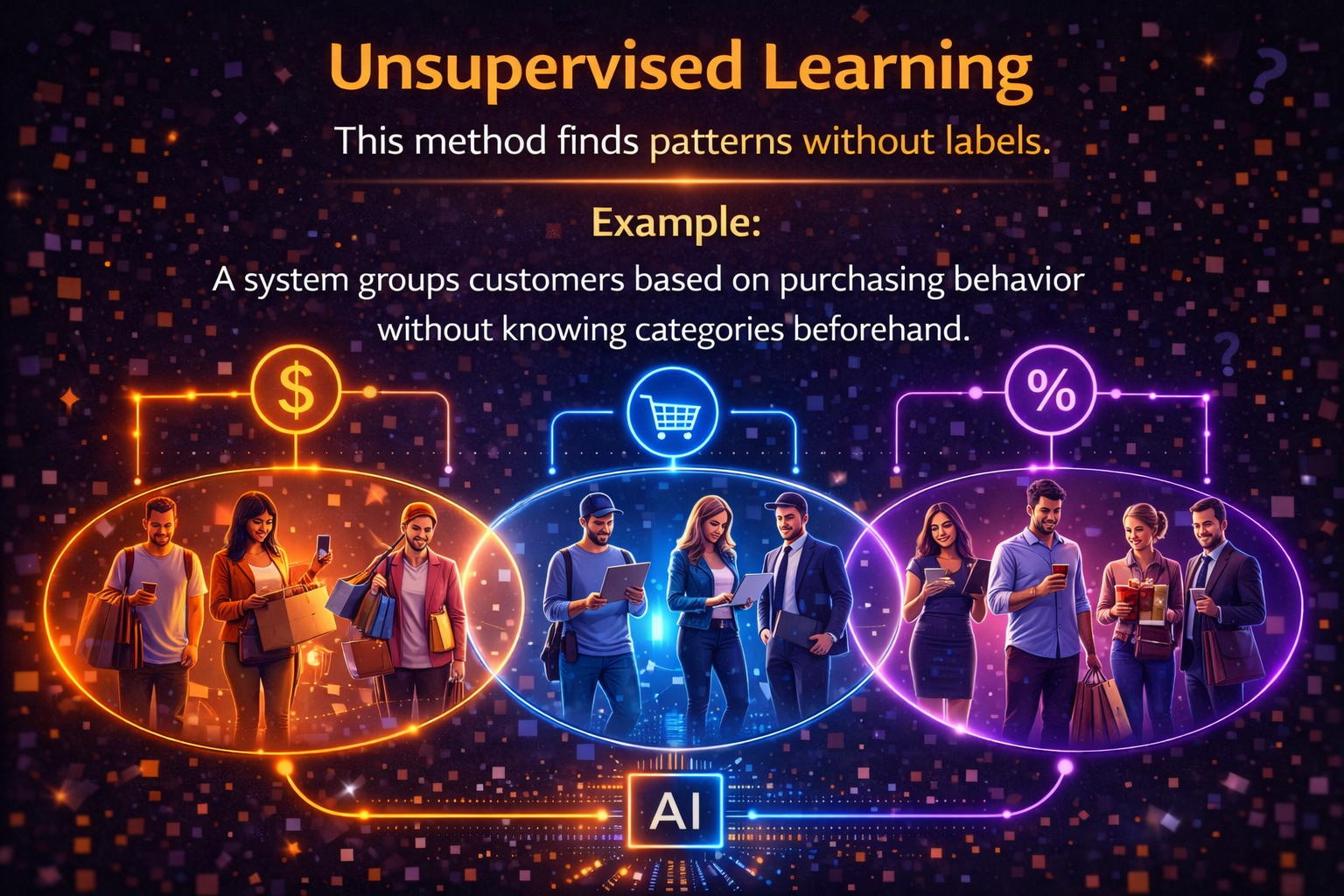
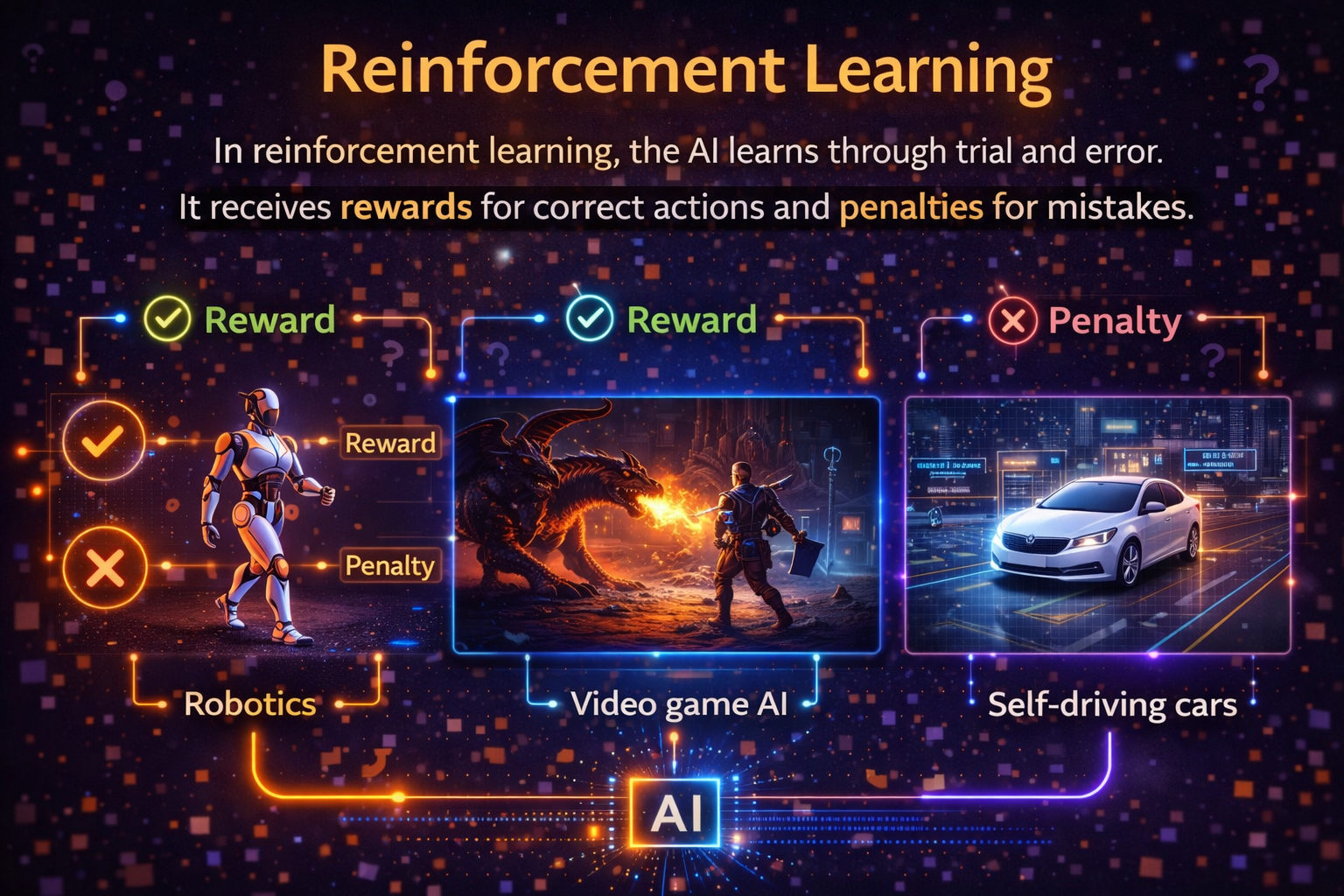
There are three main types of machine learning.
Why Machine Learning Is So Powerful
Machine learning allows computers to handle tasks that would be impossible to program manually.
For example:
Recognizing faces in photos
Translating languages
Detecting diseases in medical scans
Because machines can analyze massive datasets, they can discover patterns humans might miss.
This is why machine learning is transforming industries from healthcare to finance.
Try to Stump an AI
Now that you understand the basics of machine learning, try a fun experiment.
Open a free AI chatbot like ChatGPT, Gemini, or Claude and ask it this challenge:
Explain machine learning using only emojis.
For example, the AI might respond with something like:
📊 ➝ 🤖 ➝ 📚 ➝ 🔍 ➝ 🎯
This challenge forces the AI to explain a complex idea using only symbols.
Sometimes it works surprisingly well. Other times the AI struggles.
Either way, it’s a fun way to see how AI handles unusual prompts.
Ask for the emoji for a unicorn.
Final Thoughts
Machine learning is one of the most important technologies driving modern artificial intelligence.
Instead of relying on rigid programming, machines can now learn patterns, improve with experience, and make predictions from data.
As machine learning continues to advance, it will play an even bigger role in shaping the future of technology.
And the next time you use an AI tool, remember: it learned how to help you by analyzing millions—or even billions—of examples.